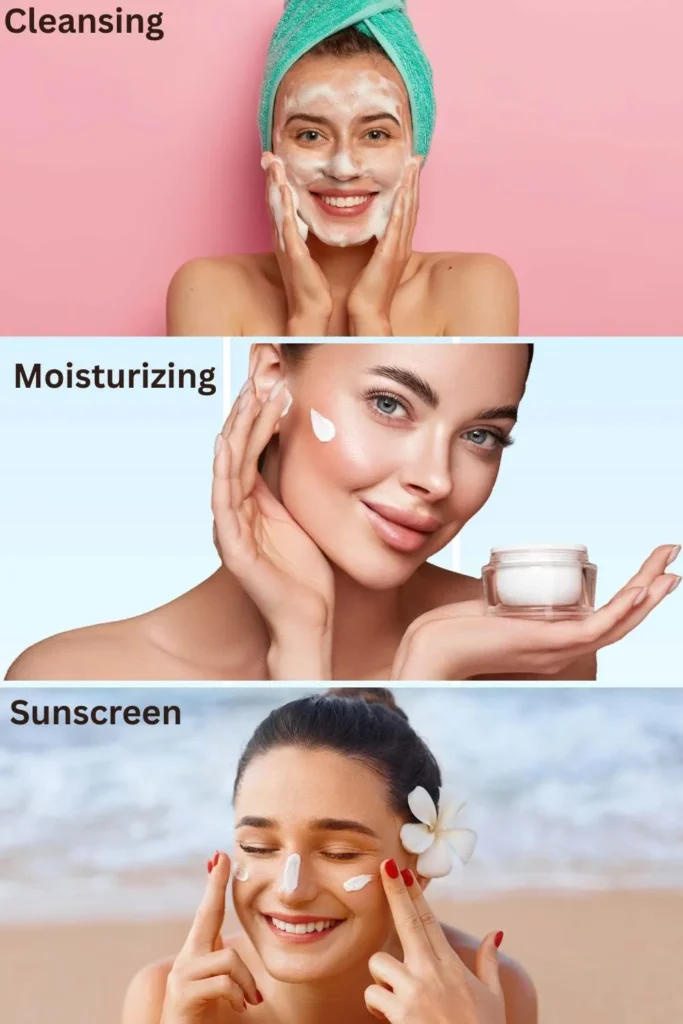
If you have ever visited a dermatologist, medical spa, or skin clinic, you have probably heard the term medical grade skincare. Many people wonder, what does medical grade skincare mean, and whether it is really better than products sold in drugstores or beauty shops. Many people still ask what does medical grade skincare mean and whether it is truly better than drugstore skincare products.
What Does Medical Grade Skincare Mean?
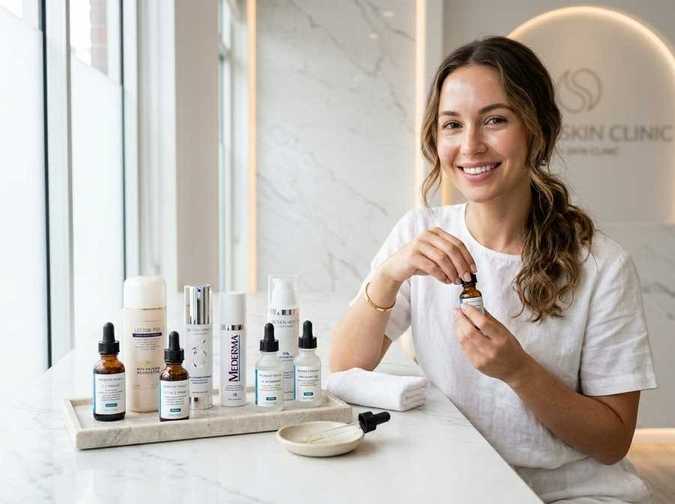
Medical grade skincare refers to skincare products made with higher-quality active ingredients that are backed by scientific research and often recommended by licensed skin professionals. These products are designed to target skin concerns such as acne, hyperpigmentation, wrinkles, uneven texture, sun damage, and aging skin more effectively than regular cosmetic skincare.
Unlike ordinary beauty products, medical grade skincare usually contains ingredients that penetrate deeper into the skin and are tested for both safety and results. This is why dermatologists and skin clinics frequently recommend them for people dealing with stubborn skin issues. Understanding what does medical grade skincare mean is important before choosing any skincare routine because it helps you know what results to expect.
In this guide, you will learn:
- What medical grade skincare means
- How it differs from regular skincare
- Main ingredients used in professional skincare
- Benefits and possible side effects
- Whether medical grade skincare is worth the money
- How beginners can safely start using it
What Does Medical Grade Skincare Mean in Simple Words and Why It Matters
To understand what does medical grade skincare mean, it is important to break it down into simple terms.In simple terms, medical grade skincare means professionally formulated skincare products that contain stronger and more effective ingredients than regular over-the-counter products.
These products are often:
- Recommended by dermatologists
- Tested in clinical studies
- Formulated with high concentrations of active ingredients
- Designed to improve specific skin concerns
Medical grade products are commonly sold through dermatology clinics, licensed estheticians, medical spas, or professional skincare websites.
The goal is not just to moisturize or temporarily improve the skin’s appearance. Instead, medical grade skincare aims to create real skin changes at a deeper level.
What Is the Difference Between Medical Grade and Regular Skincare?
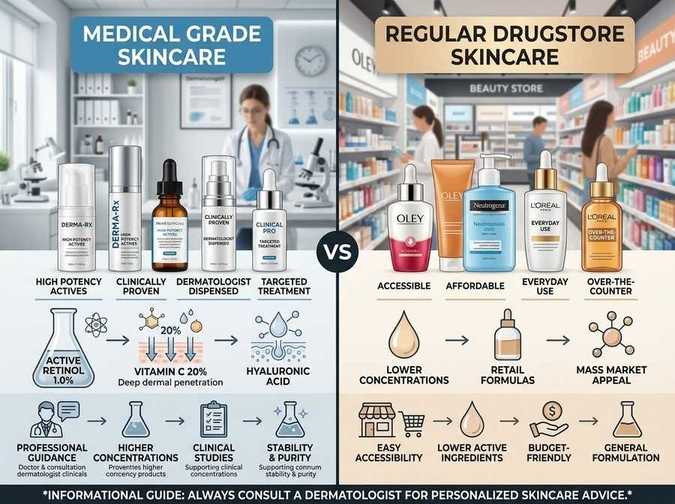
To fully understand what does medical grade skincare mean, we must compare it with regular skincare. One of the biggest reasons people search for what does medical grade skincare mean is because they want to know how it differs from traditional skincare products.
1. Higher Active Ingredient Concentration
Medical grade skincare usually contains stronger percentages of active ingredients like:
- Retinol
- Glycolic acid
- Salicylic acid
- Vitamin C
- Peptides
- Hyaluronic acid
These ingredients are often more concentrated compared to regular beauty products.
2. Better Ingredient Penetration
Professional skincare products are designed to penetrate deeper layers of the skin instead of sitting only on the surface.
This deeper penetration may help improve:
- Fine lines
- Acne scars
- Uneven skin tone
- Skin texture
- Sun damage
3. Scientifically Backed Formulas
Medical grade brands often invest in research, clinical testing, and dermatologist involvement during product development.
This makes many users feel more confident about the effectiveness of the products.
4. Customized Treatment Options
Many dermatologists recommend personalized medical grade skincare routines based on:
- Skin type
- Skin sensitivity
- Acne severity
- Pigmentation level
- Aging concerns
Regular skincare is usually made for general use rather than customized treatment.
Common Ingredients Found in Medical Grade Skincare
Understanding ingredients helps explain what medical grade skincare means and why these products are often more expensive.
Retinoids
Retinoids are vitamin A derivatives that help:
- Reduce wrinkles
- Improve acne
- Boost collagen production
- Smooth rough texture
They are among the most popular ingredients in professional skincare.
Vitamin C
Vitamin C helps brighten the skin and reduce signs of sun damage.
Benefits include:
- Improving dull skin
- Supporting collagen production
- Reducing dark spots
- Protecting against environmental stressors
Hyaluronic Acid
Hyaluronic acid is widely used for hydration and plumping effects.
It helps the skin retain moisture and can improve dehydration-related fine lines.
Peptides
Peptides support collagen and elastin production in the skin.
These ingredients are often included in anti-aging medical grade skincare products.
Alpha Hydroxy Acids (AHAs)
AHAs like glycolic acid and lactic acid help exfoliate dead skin cells and improve skin texture.
They may also help fade post-acne marks and uneven tone.
Benefits of Medical Grade Skincare
People often invest in professional skincare because they want more visible and long-lasting results.
Better Acne Management
Medical grade skincare products may help control:
- Excess oil
- Clogged pores
- Inflammatory acne
- Acne scars
Professional acne treatments often combine multiple active ingredients for better results. People struggling with post-acne marks can also check ourskincare routine tips for clearer and smoother-looking skin. When people ask what does medical grade skincare mean, they are usually looking for products that deliver stronger and more targeted skin results. Now that we understand what does medical grade skincare mean, let’s look at its benefits.
Improved Skin Texture
Consistent use of medical grade products may help smooth rough or uneven skin.
This can make the skin appear softer and healthier over time.
Anti-Aging Benefits
Many medical grade skincare products focus on reducing visible aging signs such as:
- Fine lines
- Wrinkles
- Loss of firmness
- Sun spots
Collagen-supporting ingredients are commonly used for these concerns.
Brighter Skin Tone
Professional skincare may help reduce:
- Hyperpigmentation
- Melasma
- Acne marks
- Uneven skin tone
This often leads to a more radiant appearance.
Stronger Skin Barrier Support
Some medical grade skincare formulas are designed to strengthen the skin barrier and reduce sensitivity.
This can help improve overall skin health.
Is Medical Grade Skincare Worth It?
Whether medical grade skincare is worth it depends on your skin goals and concerns.
For mild skincare needs, regular products may be enough. However, people with persistent skin issues often prefer medical grade options because they may deliver faster and more noticeable improvements.
Medical grade skincare can be worth considering if you struggle with:
- Chronic acne
- Premature aging
- Hyperpigmentation
- Uneven texture
- Sun damage
The higher price usually reflects stronger ingredients, research, and professional formulation standards. After learning what does medical grade skincare mean, many people wonder if it is actually worth the investment
Possible Side Effects of Medical Grade Skincare
Although medical grade skincare can be effective, stronger ingredients may also cause side effects if used incorrectly.
Common side effects include:
- Dryness
- Redness
- Peeling
- Irritation
- Temporary purging
Sensitive skin users should introduce active ingredients slowly. Some people may notice extra oiliness or imbalance when introducing strong active ingredients. If your skin suddenly feels greasy after using skincare products, you may also want to read our guide on why your face becomes oily after skincare routines.
It is also important to use sunscreen daily because many active ingredients increase sun sensitivity.
How to Start Using Medical Grade Skincare Safely
Beginners should avoid using too many strong products at once.
Start Slowly
Introduce one active ingredient at a time so your skin can adjust properly.
Patch Test First
Always patch test new products before applying them to the entire face.
Use Sunscreen Daily
Sun protection is essential when using active ingredients like retinol or acids.
Follow Professional Advice
A dermatologist or licensed skincare professional can help build the right routine for your skin type.
Best Skin Concerns Treated by Medical Grade Skincare
Medical grade skincare is commonly used for:
- Acne-prone skin
- Aging skin
- Sensitive skin
- Sun-damaged skin
- Hyperpigmentation
- Dehydrated skin
- Uneven texture
Different ingredients target different concerns, which is why personalized routines are often recommended.
Can Medical Grade Skincare Replace Dermatology Treatments?
Medical grade skincare can improve many skin issues, but it may not fully replace professional procedures.
Some concerns still require treatments such as:
- Chemical peels
- Laser therapy
- Microneedling
- RF skin tightening
- Prescription medications
However, medical grade skincare is often used alongside these procedures to maintain results.
Medical Grade Skincare vs Drugstore Skincare
Medical Grade Skincare
- Higher active ingredient levels
- More targeted treatment
- Often clinically tested
- Usually more expensive
Drugstore Skincare
- Easier to access
- Lower price range
- Gentler formulas
- Better for basic skincare maintenance
Both categories can be useful depending on your skin needs.
How to Choose the Right Medical Grade Skincare Products
Not every product works for every person.
When choosing professional skincare, consider:
- Your skin type
- Ingredient sensitivity
- Acne severity
- Budget
- Dermatologist recommendations
Look for products with proven ingredients rather than trendy marketing claims.
Common Myths About Medical Grade Skincare
Myth 1: Stronger Means Better
Using very strong products too quickly can damage the skin barrier.
Balanced skincare is more important than harsh treatment.
Myth 2: Expensive Products Always Work Better
Price alone does not guarantee effectiveness.
Ingredient quality and proper formulation matter more.
Myth 3: Medical Grade Skincare Gives Instant Results
Most skincare products require consistent use over several weeks or months.
Patience is important for visible improvements.
FAQs About Medical Grade Skincare
What does medical grade skincare mean?
Medical grade skincare refers to professionally formulated skincare products that contain higher concentrations of active ingredients and are designed to treat specific skin concerns such as acne, wrinkles, pigmentation, and sun damage.
Is medical grade skincare better than regular skincare?
Medical grade skincare can be more effective for certain skin concerns because it often contains stronger active ingredients and clinically tested formulations. However, regular skincare may still work well for basic hydration and maintenance.
Do dermatologists recommend medical grade skincare?
Yes, many dermatologists recommend medical grade skincare products because they are often backed by research and designed to target deeper skin concerns more effectively.
Can beginners use medical grade skincare?
Yes, beginners can use medical grade skincare, but it is important to start slowly. Introducing one active ingredient at a time helps reduce irritation and allows the skin to adjust properly.
Is medical grade skincare safe for sensitive skin?
Some medical grade skincare products are suitable for sensitive skin, but stronger ingredients may cause redness or irritation if overused. Patch testing and professional guidance are recommended.
Why is medical grade skincare more expensive?
Medical grade skincare products are usually more expensive because they often contain higher-quality ingredients, advanced formulations, scientific research, and clinical testing.
How long does medical grade skincare take to work?
Results vary depending on the product and skin concern. Some people notice improvements within a few weeks, while concerns like hyperpigmentation and wrinkles may take several months of consistent use.
Can medical grade skincare help with acne scars?
Yes, many medical grade skincare products contain ingredients like retinoids, acids, and vitamin C that may help improve acne scars and uneven skin texture over time.
Do I need sunscreen with medical grade skincare?
Yes, sunscreen is extremely important when using medical grade skincare because active ingredients like retinol and exfoliating acids can make the skin more sensitive to sunlight.
Can medical grade skincare replace professional treatments?
Medical grade skincare can improve many skin concerns, but some conditions may still require treatments like chemical peels, laser therapy, microneedling, or dermatologist procedures.
What ingredients are commonly used in medical grade skincare?
Common ingredients include:
- Retinol
- Vitamin C
- Hyaluronic acid
- Peptides
- Glycolic acid
- Salicylic acid
- Niacinamide
These ingredients are often used to improve skin texture, hydration, acne, and aging signs.
Is medical grade skincare worth it for aging skin?
Many people find medical grade skincare helpful for aging concerns because it may support collagen production, improve fine lines, and enhance skin texture with consistent use.
Why is it important to understand what does medical grade skincare mean before buying products?
Naturally.
Conclusion
So, what does medical grade skincare mean? It refers to scientifically formulated skincare products that contain higher concentrations of active ingredients designed to improve real skin concerns at a deeper level.
These products are commonly recommended by dermatologists and skincare professionals because they often provide more targeted and noticeable results compared to regular skincare products.
Medical grade skincare may help with acne, wrinkles, hyperpigmentation, uneven texture, and sun damage, but it is important to use these products carefully and consistently. Starting slowly, patch testing, and using sunscreen daily can help reduce irritation and improve results.
According to research published by the National Center for Biotechnology Information (NCBI), active skincare ingredients like retinoids and antioxidants may help improve skin texture and visible aging signs over time.
The best skincare routine is not always the most expensive one. Instead, it is the routine that matches your skin type, addresses your concerns, and supports long-term skin health. Now you clearly understand what does medical grade skincare mean and how it can improve your skin when used correctly. Now you clearly understand what does medical grade skincare mean and how it works on different skin concerns.