Natural skincare lovers are becoming more interested in learning how to render tallow for skincare because it is simple, nourishing, and surprisingly effective for dry or sensitive skin. Properly rendered tallow can be used in balms, moisturizers, soaps, and whipped body butter. If you want a clean and traditional skincare ingredient, rendering your own tallow at home is one of the easiest ways to start.
Tallow contains fatty acids that are similar to the oils naturally found in human skin. This is why many people use it for moisturizing rough patches, cracked skin, and dryness. In this guide, I’ll explain exactly how to render beef fat into smooth skincare-grade tallow, how to purify it, and how to store it safely for long-lasting use.
If you enjoy natural beauty routines, you may also like our guide about creating a simple oily skin care routine for balanced skin and our tips on choosing the best skincare ingredients for sensitive skin.
What Is Tallow in Skincare?
Tallow is purified fat, usually made from beef suet. Suet is the hard fat found around the kidneys of cows. When this fat is slowly heated, the pure oil melts away from connective tissue and impurities. Once strained and cooled, it becomes creamy tallow.
For skincare, rendered tallow is often used in:
- Lip balms
- Body butter
- Face creams
- Healing salves
- Handmade soaps
- Dry skin treatments
- People love tallow because it contains:
- Vitamins A, D, E, and K
- Healthy fatty acids
- Deep moisturizing properties
- A rich texture without complicated ingredients
Why Many People Use Tallow for Skin
Before learning how to render tallow for skincare, it helps to understand why this ingredient is becoming popular again.
Deep Moisture for Dry Skin
Tallow creates a protective barrier that helps prevent moisture loss. Many people use it during winter or on cracked heels and elbows.
Simple Ingredient List
Homemade tallow usually contains only one ingredient: beef fat. This appeals to people trying to avoid long chemical ingredient lists.
Traditional Skincare Method
Tallow has been used for generations in soaps and skin treatments before modern lotions became common.
Works Well in DIY Recipes
Once rendered, tallow blends beautifully with beeswax, essential oils, and natural oils.
You can also compare natural moisturizers in our detailed guide about medical grade skincare ingredients versus natural skincare products.
Best Type of Fat for Rendering Tallow
The quality of your tallow matters a lot in skincare recipes.
Use Beef Suet Whenever Possible
Beef suet is the best option because it creates cleaner and firmer tallow. Ask a local butcher for:
- Grass-fed beef suet
- Kidney fat
- Leaf fat
Grass-fed fat is often preferred because many people believe it produces higher-quality tallow for skincare.
Avoid Fat with Too Much Meat Attached
Large pieces of meat can create a stronger smell and reduce shelf life.
Supplies Needed to Render Tallow for Skincare
Here’s everything you need before starting:
- Beef suet or beef fat
- Sharp knife
- Cutting board
- Large pot or slow cooker
- Fine mesh strainer
- Cheesecloth
- Glass jars with lids
- Spoon or spatula
A slow cooker is especially helpful because it keeps the temperature low and steady.
How to Prepare Beef Fat Before Rendering
Preparation is important if you want smooth and clean tallow.
Trim the Fat
Remove:
- Blood spots
- Meat pieces
- Tough connective tissue
Cleaner fat gives better skincare tallow.
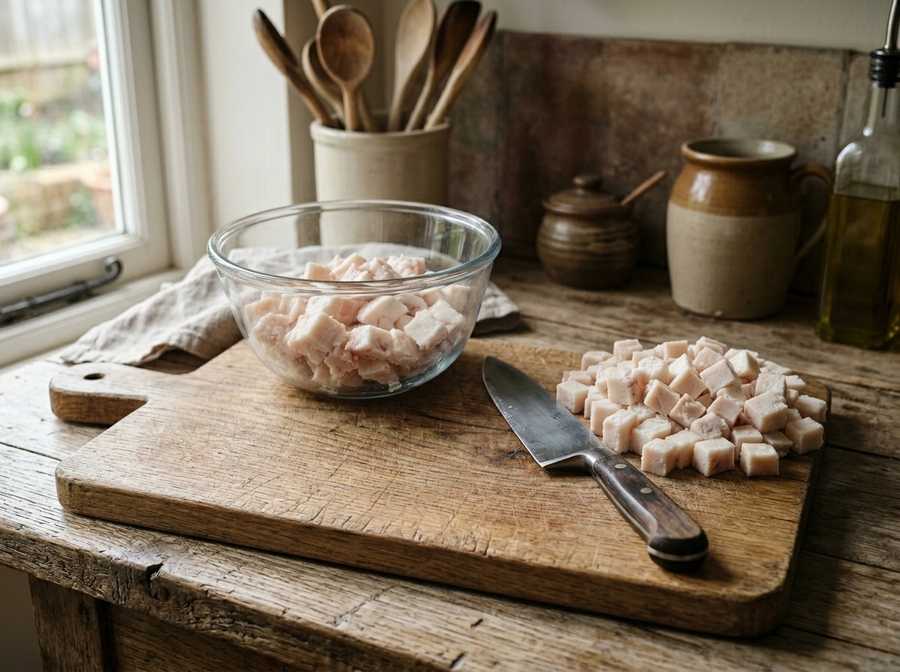
Cut Into Small Pieces
Smaller pieces melt faster and more evenly.
Optional: Freeze the Fat Slightly
Partially frozen fat is easier to chop or grind.
Some people even use a food processor to create tiny pieces for faster melting.
Step-by-Step: How to Render Tallow for Skincare
Now let’s go through the full process.
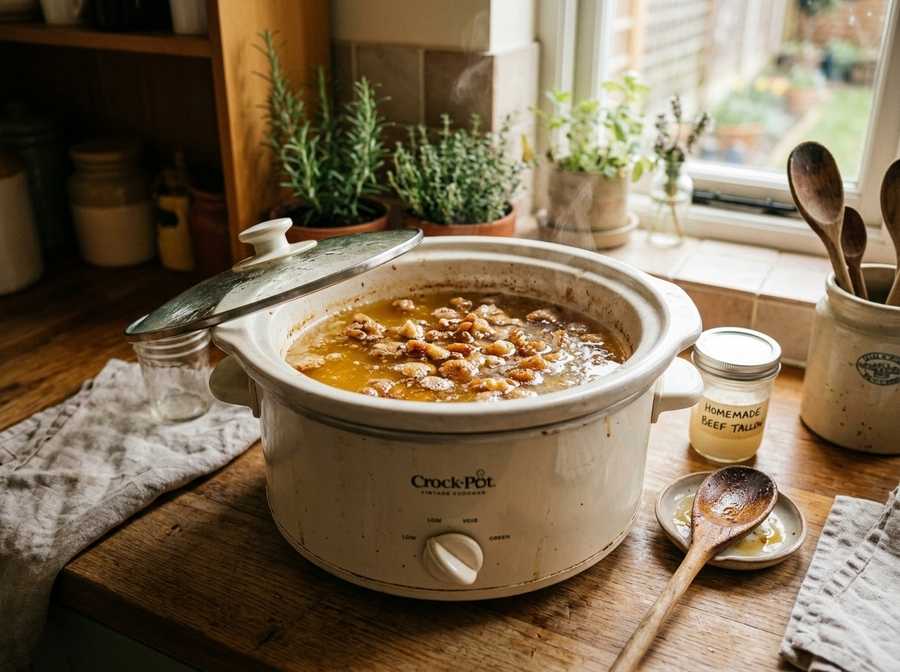
Step 1: Add Fat to the Pot
Place chopped beef fat into your slow cooker or heavy-bottom pot.
Do not overfill it.
Low Heat Is Important
Use very low heat to avoid burning the fat.
High heat can create a strong smell and darker tallow.
Step 2: Slowly Melt the Fat
As the fat heats, liquid oil will begin separating from solid pieces.
This process usually takes:
- 3–6 hours in a slow cooker
- 2–4 hours on stovetop low heat
Stir occasionally.
Patience is key when learning how to render tallow for skincare because low heat creates cleaner results.
Step 3: Watch for Cracklings
Eventually, the solid pieces become browned and crispy. These are called cracklings.
Once most fat has melted, rendering is complete.
Do not let the cracklings burn.
Step 4: Strain the Liquid Tallow
Place cheesecloth over a fine mesh strainer and carefully pour the liquid fat through it.
This removes:
- Meat particles
- Impurities
- Sediment
The strained liquid should look golden and smooth.
Step 5: Cool the Tallow
Pour the filtered tallow into clean glass jars.
As it cools, it becomes creamy and solid.
Properly rendered tallow usually appears:
- Off-white
- Pale yellow
- Smooth in texture
How to Purify Tallow for Better Skincare Use
Some people prefer extra-purified tallow for facial skincare.
Re-Render the Tallow
You can melt and strain the tallow again for cleaner results.
Water Purification Method
Some DIY skincare makers:
- Melt the tallow again
- Add water
- Let it cool completely
- Remove the hardened tallow from the top
Impurities stay in the water layer below.
This can reduce odor and improve texture.
How to Remove the Beef Smell From Tallow
A strong smell usually means the fat was overheated or not cleaned properly.
To reduce odor:
- Use grass-fed suet
- Trim meat carefully
- Keep heat low
- Purify the tallow twice
- Add gentle essential oils later
Lavender and chamomile are common additions in DIY skincare recipes.
How to Store Homemade Tallow
Proper storage helps your tallow last longer.
Room Temperature
In cool conditions, tallow can last several months in a sealed jar.
Refrigerator
Refrigeration extends shelf life even more.
Freezer
Frozen tallow may last up to a year.
Always use clean utensils to prevent contamination.
Ways to Use Rendered Tallow in Skincare
Once you learn how to render tallow for skincare, you can make many DIY products.
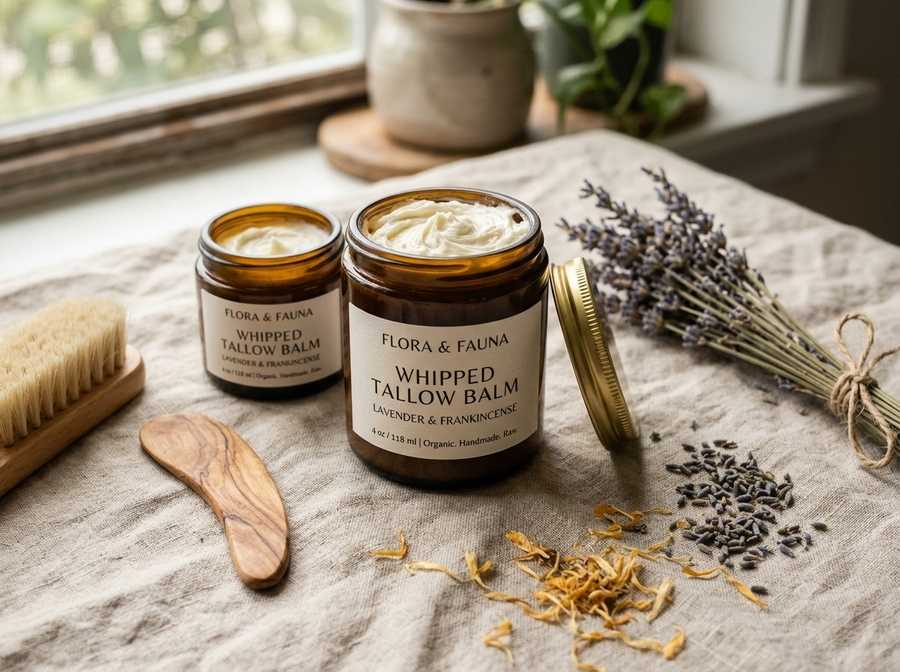
Tallow Face Balm
Mix:
- Rendered tallow
- Jojoba oil
- A few drops of essential oil
Whip together for a creamy balm.
Tallow Body Butter
Tallow blends beautifully with:
- Shea butter
- Cocoa butter
- Coconut oil
This creates a rich moisturizer for dry skin.
Lip Balm
Add:
- Beeswax
- Tallow
- Peppermint oil
Pour into small containers.
Homemade Soap
Rendered tallow creates firm and long-lasting soap bars.
Many traditional soap recipes use tallow because of its creamy lather.
If you enjoy DIY beauty ideas, you might also like our homemade skincare recipes for glowing skin using simple kitchen ingredients.
Is Tallow Good for Acne-Prone Skin?
Some people with dry acne-prone skin tolerate tallow well, while others may find it heavy.
Patch Test First
Always patch test before applying widely to your face.
Avoid Heavy Application
A tiny amount usually works best.
Everyone’s skin reacts differently.
Common Mistakes When Rendering Tallow
Avoid these mistakes for better skincare-quality tallow.
Using High Heat
This creates burnt smell and darker color.
Not Straining Properly
Impurities can reduce shelf life.
Using Poor Quality Fat
Fresh suet gives the best texture.
Storing in Warm Areas
Heat can make tallow spoil faster.
Benefits of Homemade Tallow Over Store-Bought Products
Many people prefer homemade skincare because they control the ingredients.
Benefits include:
- No preservatives
- No synthetic fragrance
- Budget-friendly skincare
- Traditional natural ingredients
- Customizable recipes
Homemade tallow also works well in minimalist skincare routines.
Can You Whip Tallow for Skincare?
Yes. Whipped tallow is extremely popular.
How to Whip Tallow
- Melt tallow slightly
- Add carrier oils
- Use a hand mixer
- Whip until fluffy
This creates a soft texture similar to body butter.
Is Grass-Fed Tallow Better?
Many skincare enthusiasts prefer grass-fed tallow because it is believed to contain better nutrient content.
Grass-fed tallow is often:
- More nutrient-rich
- Cleaner smelling
- Better textured
However, properly rendered conventional suet can still work well.
FAQs About How to Render Tallow for Skincare
Is rendered tallow good for skincare?
Yes, many people use rendered tallow for skincare because it is deeply moisturizing and contains skin-friendly fatty acids and vitamins. It is commonly used in natural balms, creams, soaps, and body butter for dry or rough skin.
What is the best fat for rendering skincare tallow?
Beef suet is usually considered the best option for skincare tallow. Grass-fed beef suet is especially popular because it often produces cleaner, smoother, and less greasy tallow.
How much time is needed to fully melt and purify beef fat into skincare tallow?
Rendering tallow typically takes 3 to 6 hours in a slow cooker on low heat. The exact time depends on the amount of fat and the cooking temperature.
Why does my tallow smell strong?
A strong smell usually happens when the fat is overheated or contains too much meat tissue. Using low heat, trimming the fat properly, and re-filtering the tallow can help reduce odor.
Can I use rendered tallow on my face?
Many people use tallow on the face, especially for dry skin. However, if you have oily or acne-prone skin, it is best to patch test first and apply only a small amount.
How do I make whipped tallow for skincare?
To make whipped tallow, melt the tallow slightly and mix it with oils like jojoba or olive oil. Then whip it with a hand mixer until it becomes light and fluffy like body butter.
Does homemade tallow need refrigeration?
Homemade tallow can stay at room temperature in a cool area for several months. Refrigeration helps extend shelf life even longer, especially in warmer climates.
Is it safe to mix fragrance or botanical oils into homemade tallow balm?
Yes, many DIY skincare recipes include essential oils like lavender, chamomile, or frankincense for fragrance and added skincare benefits. Always use skin-safe amounts.
Is grass-fed tallow better for skin?
Many people prefer grass-fed tallow because it may contain higher nutrient levels and usually has a milder smell. Properly rendered tallow from any clean beef suet can still work well for skincare.
Can rendered tallow clog pores?
Tallow may feel heavy for some skin types, especially oily skin. Others find it soothing and non-irritating. Since every skin type reacts differently, patch testing is important.
How do I store rendered tallow safely?
Store rendered tallow in a clean glass jar with a tight lid. Store the jar in a cool, dry place where excess heat and humidity cannot affect the texture or freshness. . For long-term storage, refrigeration or freezing works best.
Can I use tallow in homemade soap?
Yes, tallow is commonly used in traditional soap making because it creates hard bars with creamy lather and moisturizing properties.
Final Thoughts on How to Render Tallow for Skincare
Learning how to render tallow for skincare is easier than many people expect. With quality beef fat, low heat, and proper straining, you can create clean and nourishing tallow at home for balms, moisturizers, and DIY beauty products.
The key is patience. Slow rendering creates smoother, lighter, and better-smelling tallow that works beautifully in natural skincare recipes. Once you master the process, you can experiment with whipped tallow creams, healing salves, soaps, and body butter. Healthline guides explains why many people use beef tallow in natural skincare and discusses its moisturizing properties. It also covers possible benefits and things to consider before using tallow on the skin.
Homemade tallow skincare is simple, affordable, and customizable, making it a favorite option for people interested in traditional and natural beauty routines.