The indian skin tone is beautifully diverse, ranging from very fair to deep brown, with countless undertones in between. Yet, despite this richness, many people struggle to understand where they fall on the spectrum and how to care for their skin correctly. From choosing the right foundation shade to figuring out what skincare ingredients actually suit them, confusion is common—and totally understandable. Indian skin tone includes a wide variety of shades and undertones that affect skincare and beauty choices. If you’re still building a routine, you can also check our guide on skincare routine for beginners.
When it comes to the indian skin tone, one-size-fits-all advice simply doesn’t work. Climate, genetics, lifestyle, and even diet play a huge role in shaping how Indian skin looks and behaves. That’s why understanding your specific tone and undertone is the first step toward healthier skin, better makeup choices, and long-term confidence.
The Diversity of Indian Skin Tones
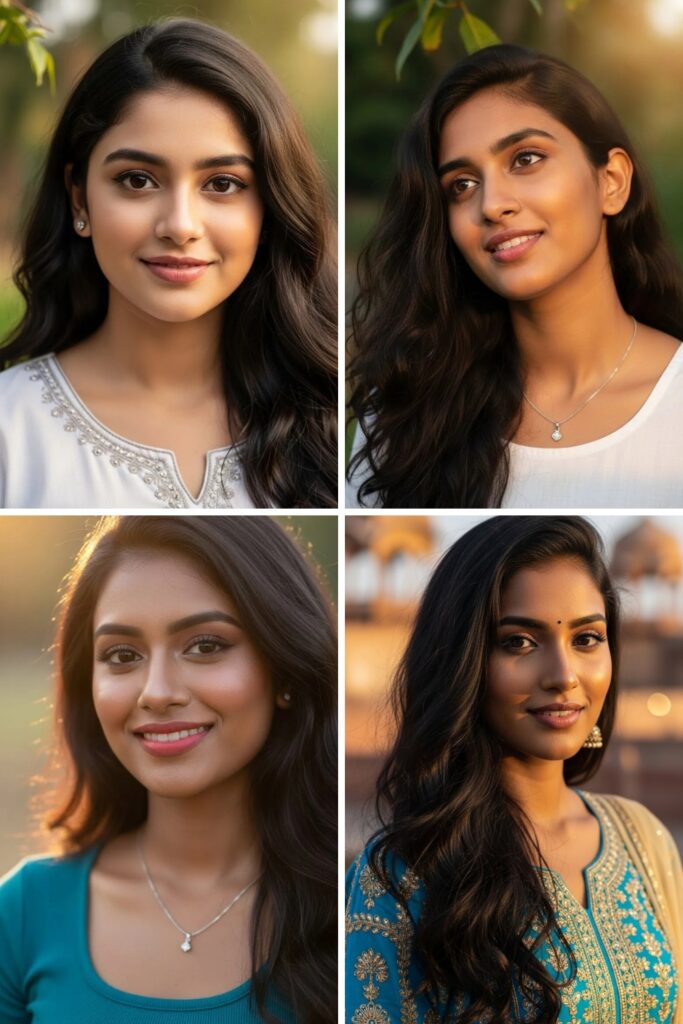
Indian skin is often described using broad categories like fair, wheatish, dusky, or deep, but these labels barely scratch the surface. In reality, Indian complexions exist on a wide spectrum, influenced by regional genetics and environmental factors.
People from northern regions may have lighter complexions, while southern and coastal areas often feature deeper, richer tones. However, this is not a rule—Indian skin colors are wonderfully mixed and cannot be boxed into simple categories. What truly defines the skin is not just the shade, but also the undertone beneath it.
Understanding this diversity helps break outdated beauty standards and encourages embracing natural skin color rather than trying to alter it.
Understanding Undertones in Indian Complexion
One of the most important aspects of Indian complexion is undertone. While surface color may change due to tanning or pigmentation, undertones remain consistent.
Most Indian skin falls into three undertone categories:
Warm undertones: Yellow, golden, or peachy hues

Cool undertones: Pink, red, or bluish hints

Neutral undertones: A balanced mix of warm and cool

Many people with brown or wheatish skin assume they only have warm undertones, but Indian skin can also be neutral or even cool-toned. Knowing your undertone makes a huge difference when selecting makeup, jewelry, and even clothing colors. Understanding undertones is very important for choosing the right beauty and skincare products. If your skin feels oily or unbalanced, you may also read why skin becomes oily after skincare.
Common Skin Concerns in Indian Skin Types
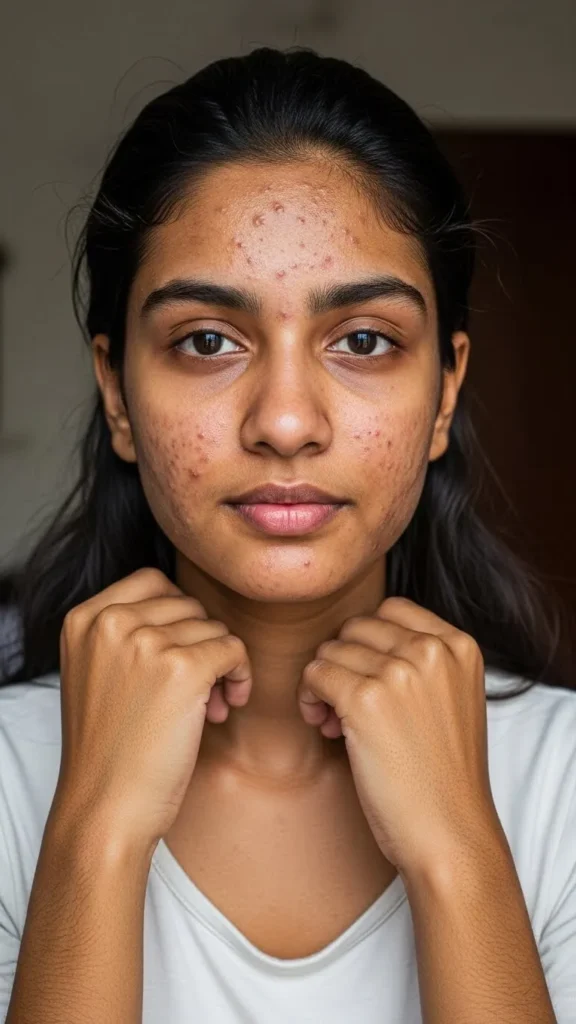
Indian skin types tend to be resilient, but they also come with specific challenges. Hyperpigmentation, uneven tone, tanning, acne scars, and dark circles are some of the most common concerns.
Melanin-rich skin is more prone to pigmentation when exposed to sun damage, inflammation, or hormonal changes. At the same time, Indian skin can be sensitive to harsh products, especially those not formulated for deeper tones.
Understanding these tendencies allows you to focus on prevention rather than damage control.
Skincare Routine That Suits Indian Skin
A well-balanced skincare routine can make a noticeable difference for Indian complexions. The goal is not to lighten skin, but to maintain clarity, evenness, and strength. Skincare ingredients like peptides are often used for anti-aging and skin strengthening benefits. If you want to understand them better, check our article on what are peptides in skincare.
A basic routine should include:
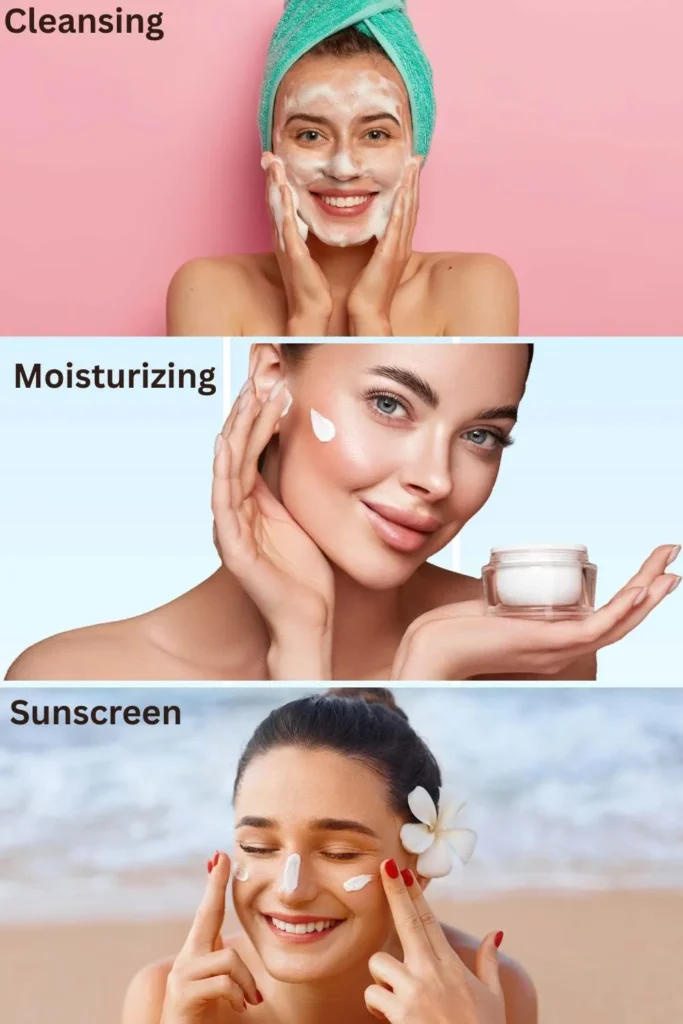
- Gentle cleansing to remove dirt without stripping natural oils
- Hydration using lightweight moisturizers or gels
- Sun protection to prevent tanning and pigmentation
- Targeted treatments for acne, dullness, or dark spots
Ingredients like niacinamide, vitamin C, aloe vera, turmeric, and hyaluronic acid work exceptionally well for Indian skin tones when used correctly.
Sun Protection Is Non-Negotiable
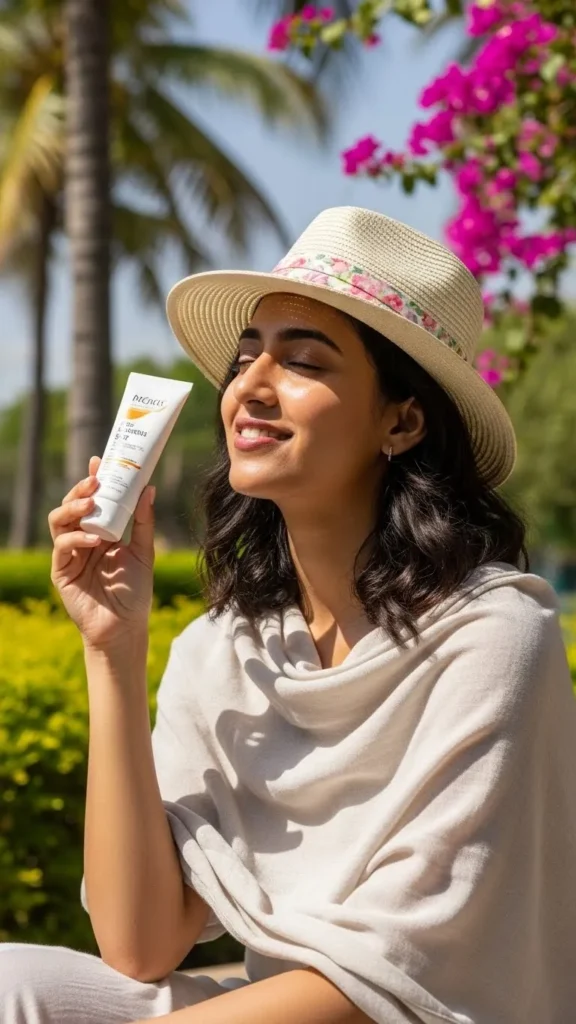
One of the biggest skincare mistakes people make is skipping sunscreen, especially those with deeper skin tones. There’s a myth that darker skin doesn’t need sun protection—but that’s far from true. For deeper understanding of skin pigmentation and health, you can refer to Mayo Clinic skin health guide:
Sun exposure worsens pigmentation, accelerates aging, and causes uneven skin tone. A broad-spectrum sunscreen with SPF 30 or higher is essential, regardless of your shade. Gel-based or matte sunscreens are especially suitable for Indian weather conditions.
Daily sunscreen use is one of the best investments you can make for long-term skin health.
Makeup Tips for Indian Skin Shades
Makeup for Indian skin tones has come a long way, but challenges still exist. Finding the right foundation shade and undertone match is often the biggest hurdle.
When choosing base makeup:
- Match foundation to your neck and jawline
- Focus on undertone, not just depth
- Avoid overly pink or ashy formulas
Warm bronzers, golden highlighters, rich blush tones like peach, coral, and berry complement Indian complexions beautifully. For lips and eyes, earthy tones, deep reds, browns, and jewel shades enhance natural warmth without overpowering the face.
Hair and Clothing Colors That Complement Indian Skin
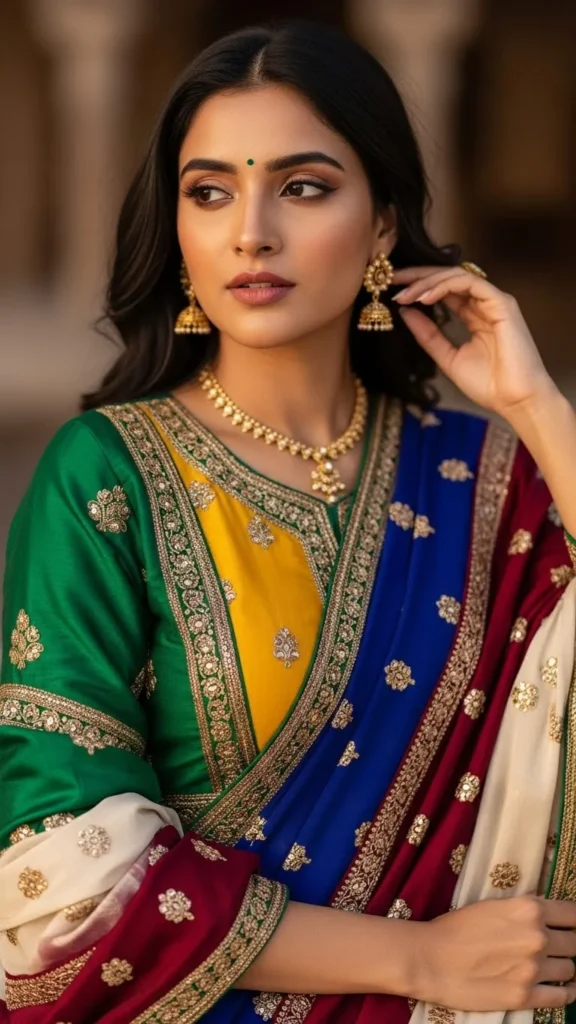
Choosing the right colors can instantly enhance your appearance. Indian skin tones generally look stunning in rich, saturated shades rather than pale pastels.
Clothing colors like emerald green, royal blue, mustard, maroon, and ivory bring out natural warmth. Metallics like gold and bronze usually suit Indian undertones better than silver.
For hair, warm browns, caramel highlights, chestnut, and soft auburn shades complement Indian complexions while keeping the look natural and balanced.
Breaking Myths Around Indian Skin Color
For years, fairness myths have dominated beauty conversations, creating unrealistic and harmful standards. Indian skin is not meant to fit into a single shade ideal—it is meant to be celebrated in all its forms.
Healthy skin is not defined by lightness, but by glow, texture, and confidence. Embracing your natural tone and caring for it properly leads to far better results than chasing artificial ideals.
Beauty trends change, but self-acceptance always stays in style.
Conclusion: Celebrating Indian Skin Tone with Confidence
The indian skin tone is a reflection of rich heritage, genetic diversity, and natural beauty. By understanding your shade, undertone, and unique skin needs, you can build a routine that enhances rather than hides who you are. Whether it’s skincare, makeup, or personal style, the key lies in working with your skin—not against it.
When you stop trying to change your skin tone and start nurturing it, confidence naturally follows. Indian skin doesn’t need fixing—it needs understanding, care, and celebration.